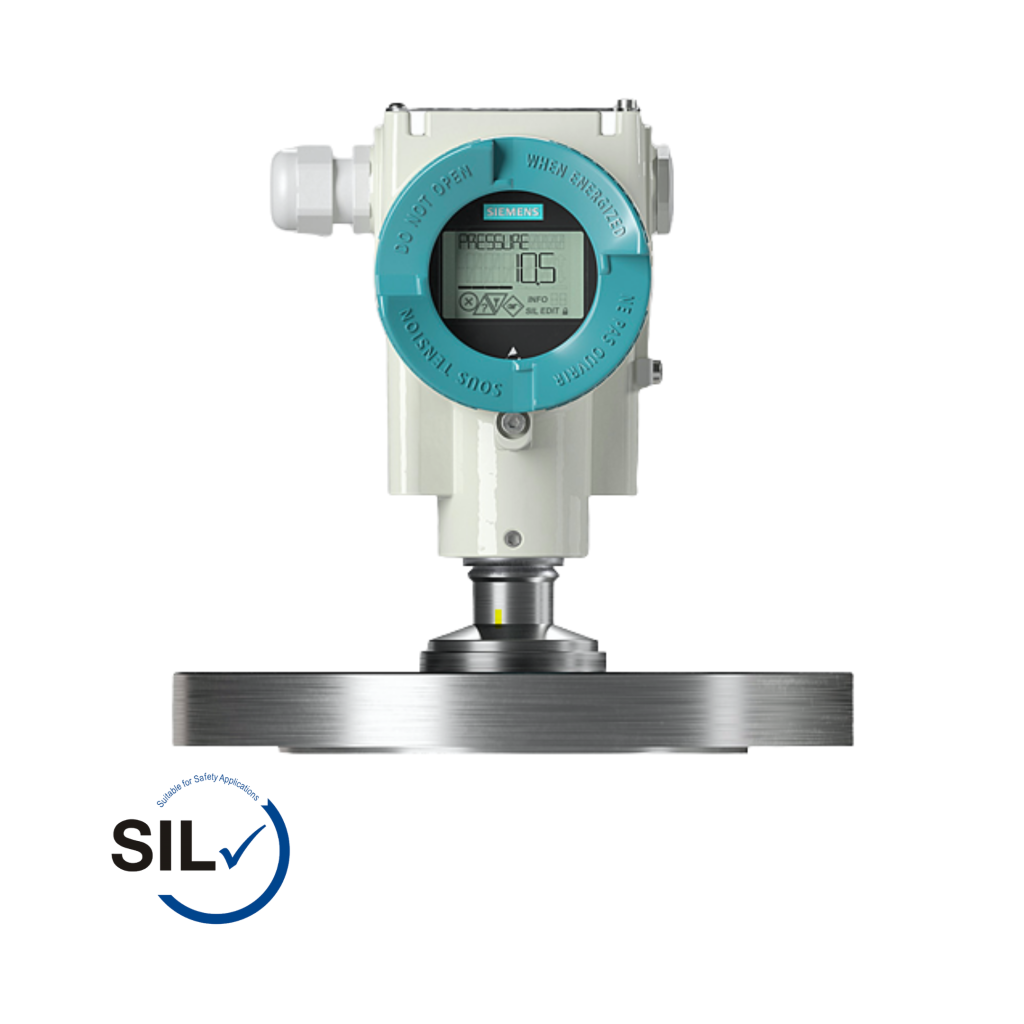
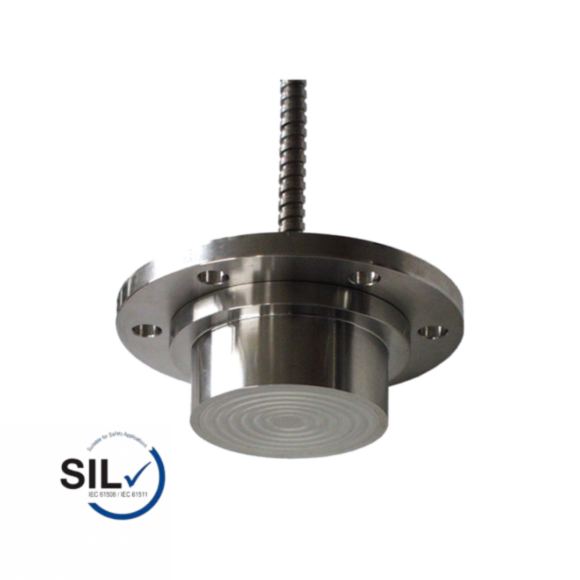
In many cases, the pressure transmitter and the measured medium have to be physically separated. It is then necessary to use a remote seal. The remote seals can be used with the following SITRANS P320/420 pressure transmitter series:
Gauge pressure
Absolute pressure
Differential pressure and flow
Note: When configuring your remote seal, be sure to read the information about transmission response, temperature error and response time to be found in the sections “Function” and “Technical specification”. Only then will the remote seal work to optimum effect.
Application
Remote seal systems should be used when it is necessary or expedient to separate the medium and measuring instrument. Some examples of such cases:
The medium temperature is outside the limits specified for the pressure transmitter.
The medium is corrosive and requires diaphragm materials that are not available for the pressure transmitter.
The medium is highly viscous or has a high solids content and would block the sample chambers of the pressure transmitter.
The medium could freeze in the sample chambers or the pulse cable.
The medium is heterogeneous or fibrous.
The medium has a tendency towards polymerization or crystallization.
The process requires quick-release remote seals, as required in the food & beverages industry for fast cleaning, for example.
The process requires cleaning of the measuring point, like in a batch process, for example.
A remote seal system consists of the following components.
Pressure transmitter
One or two remote seals
Filling liquid
Connection between the pressure transmitter and remote seal (dir ect mounting or via a capillary)
The space for the medium is sealed off with a flat embedded elastic diaphragm. Between the diaphragm and the pressure transmitter is the filling liquid. In many cases, a capillary must be connected between the remote seal and the pressure transmitter in order, for example, to reduce the temperature effects on the pressure transmitter when the meas ured medium is hot. However, the capillary influences the response time and the temper ature response of the overall remote seal system. When capillaries are used to connect a remote seal to a pressure transmitter for dif ferential pressure, two capillaries of equal length must always be used. Optionally, the remote seal with diaphragm extension (tube) can be ordered. The remote seals in sandwich design are secured with a blank flange.
Siemens Remote Seals for SITRANS P320/ P420 Gauge/ Absolute Pressure Diaphragm seals in flange design direct mount
In many cases, the pressure transmitter and the measured medium have to be physically separated. It is then necessary to use a remote seal. The remote seals can be used with the following SITRANS P320/420 pressure transmitter series:
Gauge pressure
Absolute pressure
Differential pressure and flow
Note: When configuring your remote seal, be sure to read the information about transmission response, temperature error and response time to be found in the sections “Function” and “Technical specification”. Only then will the remote seal work to optimum effect.
Application
Remote seal systems should be used when it is necessary or expedient to separate the medium and measuring instrument. Some examples of such cases:
The medium temperature is outside the limits specified for the pressure transmitter.
The medium is corrosive and requires diaphragm materials that are not available for the pressure transmitter.
The medium is highly viscous or has a high solids content and would block the sample chambers of the pressure transmitter.
The medium could freeze in the sample chambers or the pulse cable.
The medium is heterogeneous or fibrous.
The medium has a tendency towards polymerization or crystallization.
The process requires quick-release remote seals, as required in the food & beverages industry for fast cleaning, for example.
The process requires cleaning of the measuring point, like in a batch process, for example.
A remote seal system consists of the following components.
Pressure transmitter
One or two remote seals
Filling liquid
Connection between the pressure transmitter and remote seal (dir ect mounting or via a capillary)
The space for the medium is sealed off with a flat embedded elastic diaphragm. Between the diaphragm and the pressure transmitter is the filling liquid. In many cases, a capillary must be connected between the remote seal and the pressure transmitter in order, for example, to reduce the temperature effects on the pressure transmitter when the meas ured medium is hot. However, the capillary influences the response time and the temper ature response of the overall remote seal system. When capillaries are used to connect a remote seal to a pressure transmitter for dif ferential pressure, two capillaries of equal length must always be used. Optionally, the remote seal with diaphragm extension (tube) can be ordered. The remote seals in sandwich design are secured with a blank flange.
Enquiry for Siemens Remote Seals for SITRANS P320/ P420 Gauge/ Absolute Pressure Diaphragm seals in flange design direct mount