In the ever-evolving landscape of the process instrumentation, a developing industry is making its mark; hydrogen.
As we strive for sustainable and efficient solutions, hydrogen is emerging as a game-changer, offering a myriad of uses and benefits that promise to redefine the way we approach the industry with our range of process instrumentation.
Process Instrument Solutions is dedicated to working with our customers to collectively make more sustainable changes. The journey to a hydrogen-powered future has begun, and you can be at the forefront of this transformative shift.
Benefits

Clean Energy Source
When used as a fuel, Hydrogen produces only water and heat as byproducts, making it an environmentally friendly alternative to traditional fuels.

Enhanced Efficiency
Hydrogen's high energy density makes it an efficient choice for various industrial processes. It ensures optimal performance, reducing waste and maximising productivity.

Versatile Applications
Whether it's used as a form of energy storage, fuel cells or chemical production, hydrogen proves to be a flexible and adaptable solution for diverse industrial needs.

Cost Effective Solutions
An increase in relevant instrumentation and valves availability with advancements in production technologies are driving down costs, making it an increasingly viable option for industry.

Zero
Emissions
As the world intensifies its focus on achieving carbon neutrality, hydrogen emerges as a key player in the transition to clean energy.
Types of Hydrogen and Technologies
Hydrogen exists in various forms offering environmentally friendly solutions. Harnessing these forms of hydrogen promotes sustainability and mitigates environmental impacts across various sectors. Explore the types and their technologies that are changing the process instrumentation industry.
-
Green
Produced by electrolysis using renewable energy sources.
-
Blue
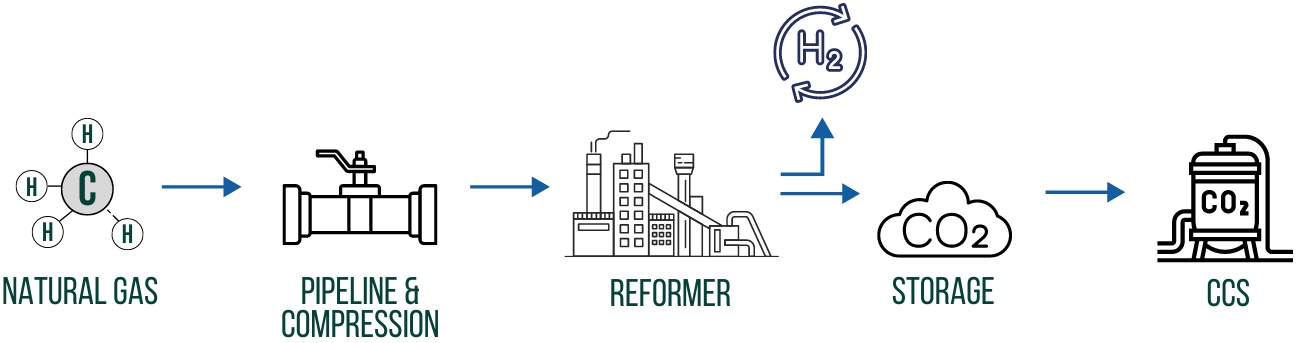
Produced from fossil fuels where CO2 is captured and stored or repurposed.
-
Pink
Produced using electrolysis using nuclear power.
-
Grey
Produced through steam reformation of natural gas.
-
Yellow
Produced by electrolysis using grid electricity, fossil fuels or renewables.
-
Turquoise
Produced by methane pyrolysis, instead of CO2, solid carbon is produced.