
Using Smart Instrumentation to Improve Water Efficiency in Sugar Processing Plants
2 July 2026
Water Management and Sustainability Compliance in Sugar Manufacturing
Water management has become a critical focus area for sugar manufacturers worldwide. With increasing regulatory pressure, rising utility costs, and growing sustainability targets, sugar processing plants are under constant scrutiny to reduce water consumption, improve wastewater treatment performance, and demonstrate environmentally responsible operations.
Effective water management is no longer optional—it is essential for operational efficiency, regulatory compliance, and long-term business sustainability.
Modern process instrumentation plays a key role in enabling sugar manufacturers to monitor, control, and optimise water usage across every stage of production.
Why Water Efficiency Matters in Sugar Processing
Sugar manufacturing is a water-intensive process, involving large volumes of water for:
- Cane or beet washing and extraction
- Juice clarification and purification
- Evaporation and crystallisation processes
- Equipment cleaning and CIP (clean-in-place) systems
- Cooling systems and utilities
- Wastewater treatment and discharge
Without accurate monitoring and control, water usage can quickly become inefficient, leading to:
- Increased operational costs
- Higher environmental impact
- Difficulty meeting regulatory discharge limits
- Reduced sustainability performance
- Inefficient process operations
By implementing advanced process instrumentation for water flow monitoring, analytical measurement, and real-time data analysis, manufacturers can significantly improve both efficiency and compliance.
Tracking Water Usage Across the Sugar Plant
One of the biggest challenges in sugar manufacturing is gaining full visibility of water usage across multiple process areas.
Water is often distributed across:
- Extraction and milling systems
- Evaporators and crystallisers
- Cooling circuits
- Boiler feedwater systems
- Cleaning and sanitation systems
- Effluent and wastewater treatment plants
Accurate water flow monitoring is essential to identify inefficiencies, reduce waste, and optimise consumption.
The Siemens SITRANS FMT020 electromagnetic flow transmitter is ideally suited for water and process liquid monitoring in sugar manufacturing environments. It provides highly accurate, reliable flow measurement even in challenging conditions, enabling operators to track consumption in real time and identify areas of excessive usage.
By implementing plant-wide flow monitoring systems, sugar manufacturers can build a complete picture of water usage and make informed decisions to reduce consumption.
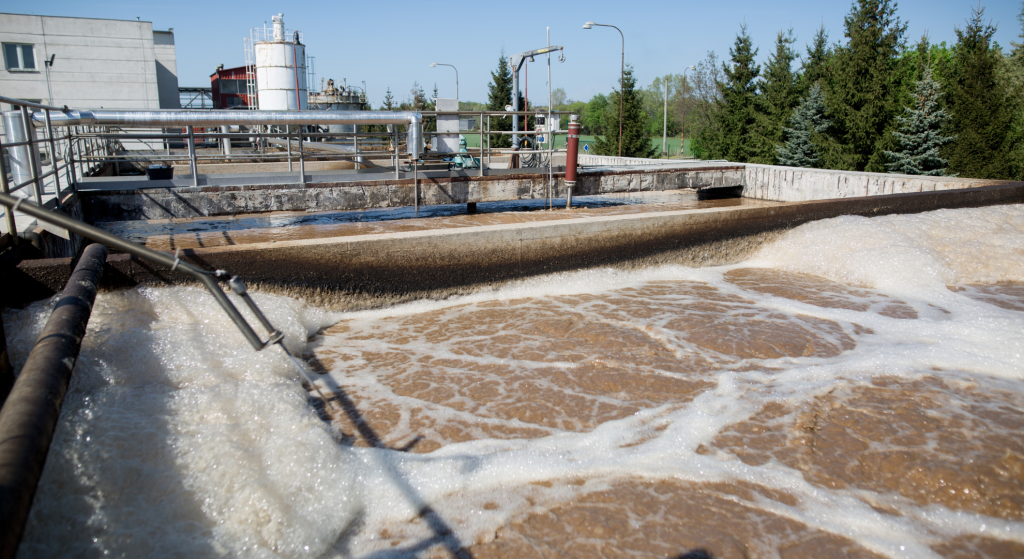
Monitoring Wastewater Quality Before Discharge
Wastewater treatment is a critical part of sugar manufacturing, ensuring that effluent discharged from the plant meets environmental regulations and sustainability requirements.
Key parameters that must be monitored include:
- pH levels
- Conductivity
- Turbidity
- Temperature
- Chemical oxygen demand (COD)
Reliable pH measurement and conductivity sensors are essential for ensuring that wastewater treatment systems are operating within acceptable limits.
Process Instrument Solutions supplies a range of analytical instrumentation designed for industrial water and wastewater applications, enabling continuous monitoring of effluent quality and ensuring compliance with environmental discharge standards.
Real-time monitoring allows operators to adjust treatment processes instantly, preventing non-compliant discharge events and reducing environmental risk.
Detecting Leaks and Process Inefficiencies
Water losses in sugar plants are often caused by undetected leaks, inefficient equipment, or poorly controlled processes.
Common problem areas include:
- Pipework leaks in distribution systems
- Valve failures
- Pump inefficiencies
- Overflow events in tanks and vessels
- Uncontrolled discharge from cleaning systems
Advanced flow and level instrumentation plays a vital role in identifying these inefficiencies early.
For example, continuous level measurement in treatment tanks and storage vessels helps detect abnormal behaviour such as unexpected losses or overflows, while flow monitoring highlights discrepancies in water balance across the plant.
The Dwyer Omega submersible level transmitters (SBLT2 & SBLTX) provide reliable level measurement for water and effluent tanks, offering durable construction and long-term stability in demanding wastewater environments.
(processinstrumentsolutions.co.uk)
By combining flow and level data, operators can quickly identify leaks, inefficiencies, and abnormal consumption patterns.
Supporting Environmental Reporting and Compliance
Environmental reporting is becoming increasingly important for sugar manufacturers, particularly with tightening sustainability regulations and corporate ESG (Environmental, Social, and Governance) requirements.
Accurate instrumentation data is essential for:
- Water consumption reporting
- Wastewater discharge compliance
- Energy and resource efficiency tracking
- Sustainability reporting (ESG metrics)
- Regulatory audits and documentation
Digital instrumentation systems allow operators to collect, store, and analyse process data in real time, ensuring accurate reporting and traceability.
Digital Monitoring and Smart Water Management
Modern sugar manufacturing facilities are increasingly adopting digital monitoring systems to improve water efficiency and sustainability performance.
Smart instrumentation enables:
- Real-time water balance monitoring
- Remote access to process data
- Automated alerts for abnormal consumption
- Predictive maintenance of pumps and valves
- Integration with plant SCADA and control systems
Process Instrument Solutions provides instrumentation and monitoring technologies that support digital transformation in water and wastewater management, helping manufacturers gain full visibility of plant performance.
By combining flow, level, pressure, temperature, and analytical data, sugar manufacturers can build a complete digital water management strategy.
Improving Sustainability Through Smart Instrumentation
Water efficiency is closely linked to broader sustainability goals in sugar manufacturing. Reducing water consumption not only lowers operating costs but also reduces energy usage associated with pumping, heating, and treatment processes.
By implementing advanced process instrumentation, manufacturers can achieve:
- Reduced water consumption
- Improved wastewater treatment efficiency
- Lower environmental impact
- Enhanced regulatory compliance
- Better operational visibility
- Increased process reliability
Smart instrumentation provides the data needed to move from reactive water management to proactive optimisation.
As pressure continues to grow on sugar manufacturers to improve sustainability performance, water management has become a critical operational priority.
Through accurate water flow monitoring, reliable pH and conductivity measurement, advanced level sensing, and real-time digital analytics, process instrumentation enables manufacturers to significantly improve water efficiency and environmental compliance.
Process Instrument Solutions offers a comprehensive range of flow, level, pressure, temperature, and analytical instrumentation designed specifically for demanding food and beverage and industrial water applications.
By investing in smart instrumentation, sugar manufacturers can reduce water consumption, improve sustainability performance, and ensure long-term operational efficiency.