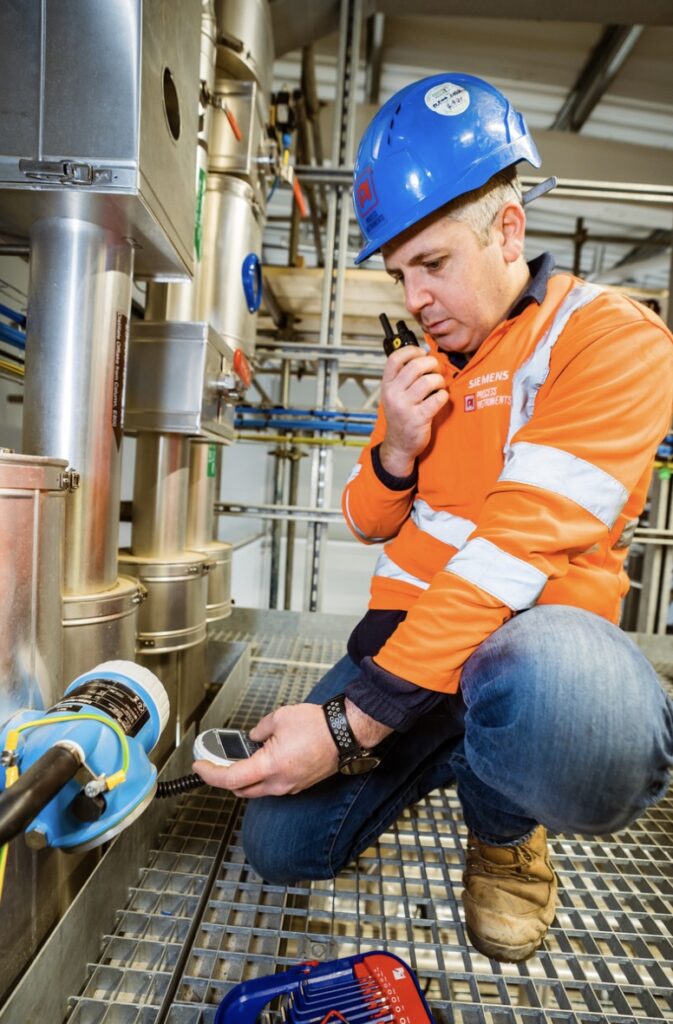
Final instrumentation commissioning of a leading global ingredients manufacturer
Background
As part of a leading global ingredients manufacturer, specialising in high-quality natural extracts and flavourings growth strategy, our customer sought to centralise operations and streamline its production by consolidating its distillation and manufacturing processes in a single facility. This facility would become a cornerstone of their operational strategy, providing increased output while reducing costs and waste.
The final commissioning of the facility’s instrumentation was crucial to ensuring the success of the new plant. The primary goal of the project was to seamlessly integrate advanced instrumentation and automation systems that would support the company’s drive for operational efficiency, enhance quality control, and improve process safety.
Challenge
This new facility operates under Control of Major Accident Hazards (COMAH) regulations, adding an extra layer of complexity to the project. Additionally, the company needed instrumentation that met NAMUR standards, further challenging the implementation and integration of technology across the site. The project aimed to integrate cutting-edge
instrumentation, automation and safety systems to ensure smooth, efficient operations while meeting both operational and regulatory demands.
The precise accuracy required for the distillation process, combined with the tight commissioning deadlines, necessitated in-situ calibration and commissioning to the highest standard, all while working under significant time constraints.
The site required comprehensive validation and documentation to ensure compliance with industry standards and regulations, particularly related to safety systems and environmental impact.
In addition to the physical commissioning, the project required the creation of a comprehensive instrumentation asset calibration management library. This involved cataloguing all instrumentation assets, setting calibration intervals and establishing a detailed management system for ongoing maintenance.
Solution
To meet the precise measurement demands, we performed in-situ calibrations, ensuring that all instrumentation was adjusted to the highest levels of accuracy. This was done directly within the operating environment, reducing potential disruption caused by external calibration methods.
We implemented an accelerated commissioning schedule by deploying specialised teams working in parallel. By closely coordinating between the commissioning and calibration teams, we were able to meet tight deadlines without sacrificing quality or accuracy.
Each safety and process instrument underwent rigorous validation protocols, which included factory acceptance testing (FAT), site acceptance testing (SAT), and process safety analysis (HAZOP and LOPA). These protocols ensured that all installed instrumentation met the required safety and performance standards.
All instrumentation was catalogued with detailed specifications, location, and calibration requirements. This central database allowed for easy tracking and maintenance scheduling.
Result
The facility passed all regulatory safety inspections without issue, ensuring it adhered to COMAH standards for handling hazardous materials. The safety systems were validated and certified, providing peace of mind to both the client and regulatory bodies. The validation protocols and testing enhanced safety across the facility. Emergency systems functioned flawlessly during simulated hazard tests, confirming the site’s preparedness to respond to potential risks effectively.
The instrumentation asset calibration management library has streamlined maintenance operations. Automated reminders for calibration intervals have reduced human error and ensured that all equipment remains within optimal operating ranges, minimizing production interruptions due to unexpected downtime.
Despite the compressed schedule, the facility was commissioned on time due to the efficient in-situ calibration process and parallel workflows. This allowed the client to meet their planned production ramp-up and avoid costly delays.