
Frequently Asked Questions About Gas Analyser Process Instrumentation
17 May 2026
Gas analyser process instrumentation is essential across modern industry, helping businesses monitor, control, and optimise gas composition in real time. From improving combustion efficiency and maintaining product quality to ensuring environmental compliance and plant safety, gas analysers play a critical role in industrial operations throughout the UK and worldwide.
Used across sectors such as oil & gas, power generation, pharmaceuticals, chemicals, food processing, manufacturing, and water treatment, gas analysers provide the accurate process data needed to improve efficiency, reduce costs, and maintain safe operating conditions.
This guide serves as a comprehensive cornerstone resource covering gas analyser technologies, applications, selection criteria, calibration, maintenance, and industry best practices.
What is a Gas Analyser?
A gas analyser is an instrument designed to measure the concentration of one or more gases within a process stream, exhaust system, enclosed environment, or ambient atmosphere. These instruments provide continuous or periodic measurements that allow operators to monitor process conditions and make informed operational decisions.
Gas analysers can measure a wide range of gases, including:
- Oxygen (O₂)
- Carbon dioxide (CO₂)
- Carbon monoxide (CO)
- Hydrogen (H₂)
- Methane (CH₄)
- Nitrogen oxides (NOx)
- Sulphur dioxide (SO₂)
- Moisture and dew point
- Volatile Organic Compounds (VOCs)
Depending on the application, analysers may be installed directly within the process or connected via a sample extraction system.
Why is Gas Analysis Important in Process Industries?
Accurate gas analysis is fundamental to efficient and compliant industrial operation. Real-time gas measurement enables operators to:
- Improve process efficiency
- Reduce fuel consumption
- Optimise combustion performance
- Maintain product consistency
- Prevent hazardous operating conditions
- Detect leaks and contamination
- Reduce emissions
- Meet environmental legislation
- Support predictive maintenance strategies
Without reliable gas analysis, many industrial processes would operate inefficiently, unsafely, or outside regulatory limits.
For example, oxygen analysers used in combustion systems help maintain the correct air-to-fuel ratio, reducing excess oxygen and improving boiler efficiency. Similarly, emissions monitoring systems help facilities comply with UK environmental regulations and permit requirements.
What Industries Use Gas Analysers?
- Oil & Gas refineries
- Chemical plants
- Power stations
- Food & Beverage production
- Water and wastewater treatment
- Pharmaceutical manufacturing
- Steel and cement plants
- Semiconductor manufacturing
- Environmental monitoring stations
Each industry has unique process requirements, making correct analyser selection critical.
Types of Gas Analysers
There are several gas analyser technologies available, each suited to specific gases, process conditions, and accuracy requirements.
Paramagnetic Oxygen Analysers
Paramagnetic analysers are commonly used for oxygen measurement because oxygen is strongly attracted to magnetic fields. These analysers provide highly accurate and stable oxygen readings and are widely used in combustion control and industrial gas applications.
Advantages:
- High accuracy
- Fast response
- Long-term stability
Typical Applications:
- Boiler combustion control
- Industrial gas production
- Process monitoring
Infrared (NDIR) Gas Analysers
Non-Dispersive Infrared (NDIR) analysers measure gases that absorb infrared light, including CO₂, CO, methane, and hydrocarbons.
Advantages:
- Reliable and proven technology
- Suitable for multiple gases
- Low maintenance
Typical Applications:
- Emissions monitoring
- Combustion analysis
- Biogas measurement
Thermal Conductivity Analysers
Thermal conductivity analysers measure gases based on their ability to conduct heat. They are commonly used for binary gas mixtures such as hydrogen in nitrogen.
Advantages:
- Simple operation
- Effective for high-purity gas analysis
- Robust design
Typical Applications:
- Hydrogen purity measurement
- Gas blending processes
Electrochemical Gas Sensors
Electrochemical sensors are widely used for portable gas detection and low-range toxic gas monitoring.
Advantages:
- Compact and cost-effective
- Suitable for portable instruments
- Good sensitivity
Typical Applications:
- Personal safety monitoring
- Confined space entry
- Toxic gas detection
Zirconia Oxygen Analysers
Zirconia analysers use a ceramic sensing element to measure oxygen concentration at high temperatures. They are particularly popular in combustion applications.
Advantages:
- Fast response time
- Excellent for high-temperature processes
- Minimal sample conditioning required
Typical Applications:
- Boilers and furnaces
- Incinerators
- Combustion optimisation
Flame Ionisation Detectors (FID)
FID analysers are designed for hydrocarbon and VOC measurement.
Advantages:
- Extremely sensitive to hydrocarbons
- Accurate VOC detection
Typical Applications:
- Environmental monitoring
- Solvent recovery systems
- Petrochemical processes
Laser and TDL Analysers
Tunable Diode Laser (TDL) analysers use laser technology to provide highly accurate gas measurements with minimal maintenance.
Advantages:
- Fast response
- High precision
- Low maintenance
- In-situ capability
Typical Applications:
- Combustion control
- Moisture analysis
- Process optimisation

How to Choose the Right Gas Analyser
Selecting the correct gas analyser depends on several important factors.
1. Gas Type
Identify which gas or gases require measurement. Different technologies are suited to different gases.
2. Measurement Range
Consider expected gas concentrations and required detection limits.
3. Process Conditions
Temperature, pressure, humidity, and contamination levels all influence analyser selection.
4. Accuracy Requirements
Critical process control applications may require higher accuracy than general monitoring.
5. Installation Environment
Hazardous area classifications such as ATEX may affect equipment choice.
6. Maintenance Requirements
Some technologies require more frequent servicing or calibration than others.
7. Communication and Integration
Modern analysers often integrate with PLC, SCADA, or DCS systems using:
- 4–20mA outputs
- Modbus
- Profibus
- Ethernet communications
Choosing the wrong analyser can lead to unreliable readings, excessive maintenance, and increased operational costs.

What is the Difference Between In-Situ and Extractive Gas Analysis?
Gas analysers are typically installed using either in-situ or extractive measurement methods.
In-Situ Gas Analysis
In-situ analysers measure directly within the process pipe, duct, or stack.
Advantages:
- Fast response time
- Minimal sample handling
- Reduced maintenance in some applications
Best For:
- Combustion monitoring
- High-temperature processes
- Continuous emissions monitoring

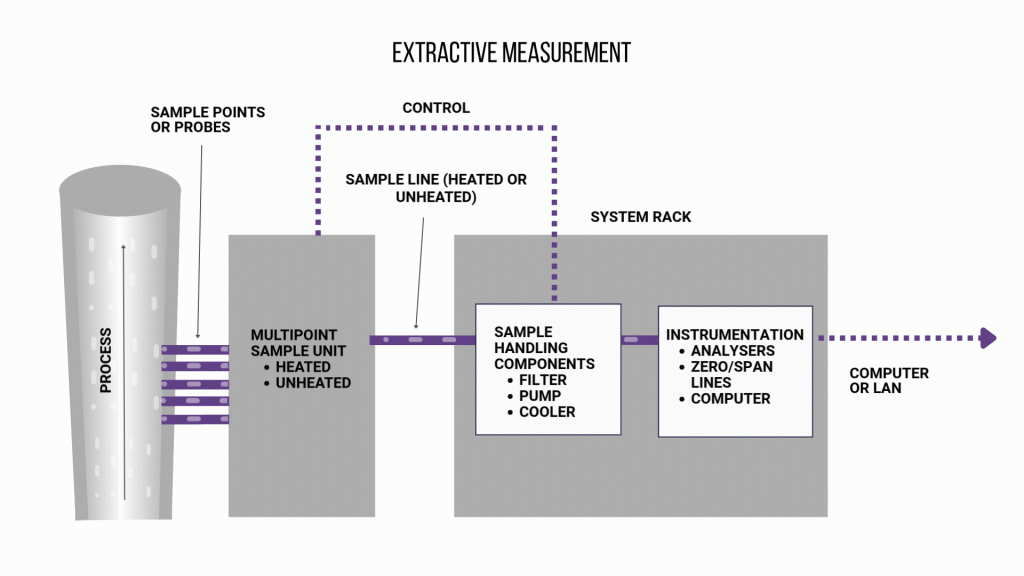
Extractive Gas Analysis
Extractive systems remove a sample from the process and transport it to the analyser through a conditioning system.
Advantages:
- Suitable for harsh environments
- Easier analyser maintenance
- Multiple gas measurements possible
Best For:
- Complex gas analysis
- Multi-gas systems
- Corrosive or particulate-heavy processes
What is a Sample Conditioning System?
In extractive systems, sample conditioning prepares the gas before measurement to ensure accurate and reliable readings.
Typical components include:
- Filters
- Pressure regulators
- Flow meters
- Sample coolers
- Moisture removal systems
- Pumps
- Heated sample lines
Poor sample conditioning is one of the most common causes of analyser failure and inaccurate readings.
Gas Analyser Calibration and Maintenance
Regular calibration is essential to maintain analyser accuracy and compliance.
Calibration frequency depends on:
- Instrument type
- Process criticality
- Environmental conditions
- Regulatory requirements
- Manufacturer recommendations
Typical calibration intervals range from monthly to annually.
Preventive maintenance should also include:
- Filter replacement
- Leak checks
- Sensor inspection
- Sample line cleaning
- Verification testing
What Causes Inaccurate Readings?
- Dirty filters or blocked sample lines
- Sensor ageing
- Moisture contamination
- Incorrect calibration gas
- Leaks in the sample system
- Temperature fluctuations
- Cross-sensitivity to other gases
- Poor installation location
What is a Sample Conditioning System?
- Filters
- Pressure regulators
- Flow meters
- Coolers
- Moisture removal
- Pumps
- Heated lines
Can Gas Analysers Reduce Energy Costs?
Yes. Gas analysers are widely used to improve energy efficiency.
For example:
- Oxygen analysers optimise combustion efficiency
- Moisture analysers improve gas quality
- Process analysers reduce waste and overconsumption
Even small efficiency improvements can generate substantial annual savings in fuel-intensive industries.
Gas Analysers and Environmental Compliance
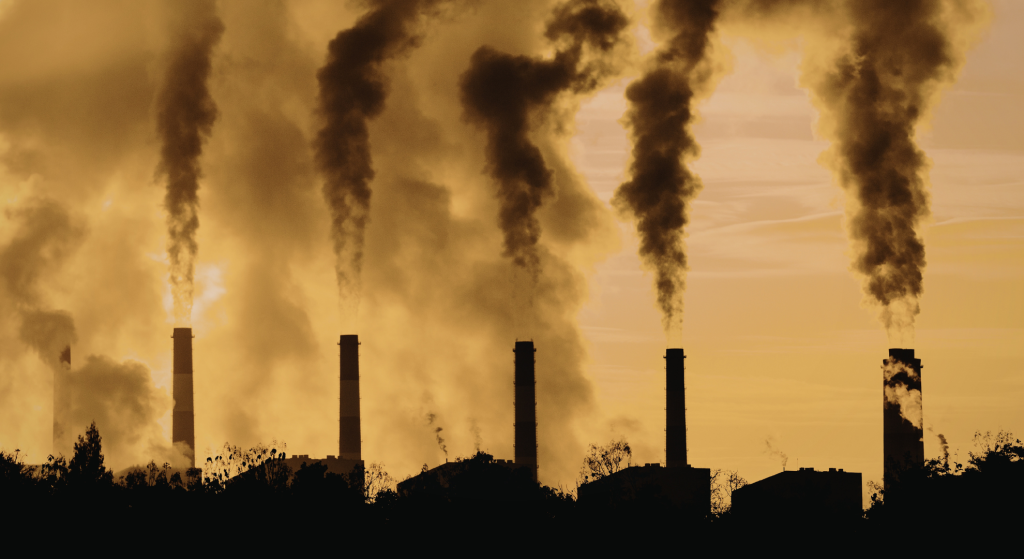
Many industries are legally required to monitor emissions using Continuous Emissions Monitoring Systems (CEMS).
Typical gases monitored include:
- NOx
- SO₂
- CO
- CO₂
- O₂
Gas analysers help facilities comply with:
- Environmental permits
- UK emissions legislation
- Industrial emissions directives
- Carbon reduction initiatives
Reliable emissions monitoring is increasingly important as environmental regulations continue to tighten.
How Long Do Gas Analysers Last?
Typical service life varies by technology and operating conditions.
| Equipment Type | Typical Lifespan |
| Electrochemical Sensors | 1–5 years |
| Bench Analysers | 10+ years |
| Process Gas Analysers | 15+ years |
Regular maintenance and calibration significantly extend equipment lifespan.
Choosing a Gas Analyser Supplier
A reliable supplier should provide:
- Strong application expertise
- Correct technology selection
- Calibration and servicing support
- Commissioning assistance
- Spare parts availability
- Fast technical support
- Knowledge of UK and international standards
Selecting the right supplier is often just as important as selecting the analyser itself.