
How Advanced Sensors Improve Efficiency in Power Generation
3 February 2026
In today’s power generation sector, efficiency isn’t an optional extra it’s a critical measure of competitiveness, reliability and sustainability. From traditional fossil-fuel plants to modern renewable systems, advanced sensing technology is playing a pivotal role in unlocking higher performance, reducing waste and driving smarter decision-making. Below, we explore how these sensors deliver real value and highlight specific products you might consider when upgrading your power plant instrumentation.
Precision Measurement Leads to Optimised Operations
At the heart of any efficient power plant are precise measurements of key variables like flow, pressure, and temperature. Advanced instruments deliver highly accurate real-time data that operators can trust.
Featured Products:
-
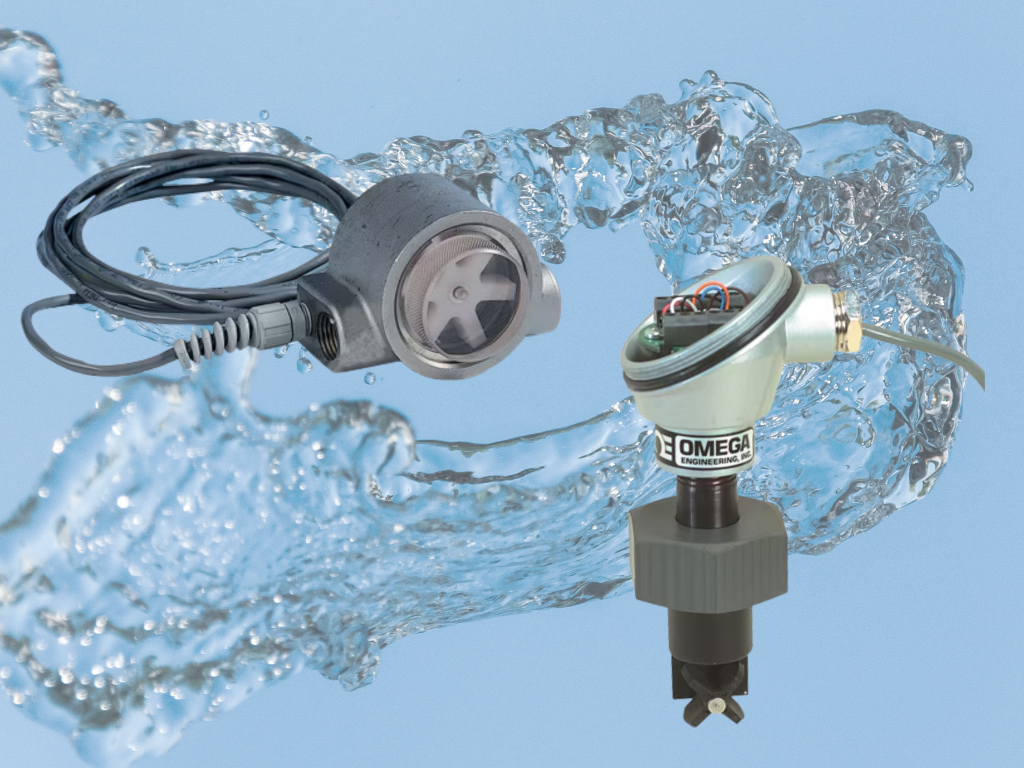
Dwyer Omega FPR200 Liquid Flow Transmitter – A rugged turbine-style flow transmitter with visual flow indication, ideal for cooling circuits and fuel feed monitoring.
-
Dwyer Omega FP7002 Paddlewheel Flow & Temperature Meter – Measures both flow and temperature with 4–20 mA output, simplifying installation and reducing instrument count.
These types of sensors help ensure steam, water, and coolant flows are balanced precisely, reducing energy waste and maintaining optimal operating conditions.
Real-Time Data Enables Faster, Smarter Decisions
Modern sensors, especially those with digital connectivity and smart diagnostics, provide continuous live data streams. This real-time visibility supports immediate corrective actions, early anomaly detection, and fully integrated control loops that drive automation and optimisation.
Featured Products:
-
Müller Pressure Transmitter (ATM) – High-accuracy pressure transmitter with robust stainless steel construction and flexible output options (e.g., 4–20 mA). Ideal for steam pressures and feedwater loops.
-
Dwyer Omega RTD Air Temperature Sensors (RTD 805-806) – High-accuracy RTD sensors used to monitor air or gas temperatures — critical for combustion control and turbine inlet conditions.
-
Dwyer Omega KMQXL Thermocouple Probes – High-temperature, low-drift thermocouples designed for extreme environments, perfect for boiler and exhaust monitoring.
By feeding their precise data into control systems, plants can make automated adjustments that preserve fuel economy and operational stability.
Predictive Maintenance Reduces Downtime and Costs
Efficient power generation isn’t just about running hard — it’s about staying online. Predictive maintenance uses sensor data to identify trends that indicate equipment wear or failure long before a shutdown occurs.
Maintenance Tools & Sensors:
-
Signal Calibrators – Essential tools for verifying and calibrating sensors across pressure, temperature, and flow loops, ensuring long-term accuracy and reducing drift-related inefficiencies.
-
IoT Wireless Sensor Systems – Wireless data loggers and sensor backbones that eliminate wiring costs and feed real-time measurement data into asset health dashboards.
Smart predictive insights help schedule repairs proactively, extending the life of turbines, pumps, and heat exchangers while avoiding costly unplanned outages.

Enhancing Safety and Environmental Performance
Power generators increasingly must balance high performance with strict safety and environmental compliance. Advanced sensors monitor combustion conditions, emissions, and process limits to ensure safe, compliant operation.
-
Industrial Pressure Gauges – Rugged gauges with temperature compensation for accurate boiler and steam circuit monitoring under extreme conditions.
-
Online Liquid Analysers and Controllers – Sensors for pH, conductivity, ORP, dissolved oxygen and other liquid parameters help manage cooling water quality and effluent discharge.
Better measurement means lower risk, fewer emissions excursions, and greater ability to adapt processes to regulatory standards.
Supporting the Energy Transition and Digital Economy
The energy landscape is rapidly evolving, and instrumentation must evolve with it. Digitally connected and highly accurate sensors support fuel diversification, renewable grid integration, and plant modernisation without costly overhauls.
Plant operators can choose from a broad manufacturer ecosystem — including Müller, Dwyer Omega, Process Sensors, QMicro, Precision Digital and others — to tailor solutions based on application needs rather than brand constraints.
Advanced sensors are no longer “nice-to-have” components, they’re strategic assets that deliver measurable improvements in efficiency, reliability, safety and sustainability for power generation facilities. From precision flow and pressure measurement to real-time monitoring, predictive maintenance support and emissions control, modern instrumentation helps operators get more from every kW of output.
By embracing a diverse portfolio of sensor technologies not just from large brands but also specialised products like those highlighted above, plants can stay competitive and prepared for the challenges of tomorrow’s energy environment.