
Exploring the History of Process Instrumentation
1 April 2025
Process instrumentation, the art and science of measuring and controlling industrial processes, has a rich history deeply intertwined with humanity’s quest for efficiency and accuracy in production. From its humble beginnings in ancient civilisations to the sophisticated systems of today, the evolution of process instrumentation mirrors the progress of human civilisation itself.
Early Beginnings
The History of process instrumentation can be traced back to ancient times when early civilisations developed rudimentary methods to monitor and control processes such as agriculture, metalworking and brewing. Ancient Egyptians used water clocks to regulate irrigation, while the Chinese developed early versions of hydrometers to measure the density of liquids. These early instruments laid the groundwork for later developments in precision measurement and control.
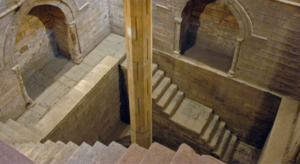
Another example of this is the Nilometer. A nilometer is a structure for measuring the Nile River’s clarity and water level during the annual flood season in Egypt.
Industrial Revolution and Early Innovations
The advent of the Industrial Revolution in the 18th century marked a pivotal moment in the history of process instrumentation. With the rise of mechanised production and the steam engine, there arose a pressing need for accurate measurement and control of industrial processes. Innovations such as the steam pressure gauge and the thermometer became essential tools in ensuring efficient and safe operation of machinery.
Pioneering Advances in the 20th Century
The early 20th century witnessed significant advancements in process instrumentation driven by scientific discoveries and technological innovations. The development of electronic sensors and transducers allowed for more precise measurement of variables such as pressure, temperature, flow rates and chemical compositions. These innovations revolutionised industries ranging from chemical processing to food production, enabling unprecedented levels of automation and quality control.
Digital Revolution and Modern Applications
The late 20th and early 21st centuries ushered in the era of digital process instrumentation. The integration of microprocessors, digital displays, and computer-based control systems transformed how industrial processes are monitored and managed. Distributed control systems (DCS) and programmable logic controllers (PLC) became standard tools in modern manufacturing, offering real-time data acquisition, analysis and remote operation capabilities.
Emerging Trends and Future Prospects
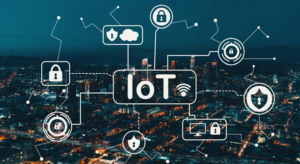
Today, process instrumentation continues to evolve with advancements in fields such as nanotechnology, wireless communication and artificial intelligence. The Internet of Things (IoT) has enabled interconnected networks of sensors and actuators, providing unprecedented levels of data integration and predictive analytics. Industries are increasingly adopting smart sensors and IoT-enabled devices to optimise efficiency, reduce waste and enhance safety in their operations.
The history of process instrumentation is a testament to human ingenuity and the relentless pursuit of efficiency and precision in industrial processes. From ancient techniques to modern digital systems, each era has contributed to shaping the tools and methodologies that define contemporary manufacturing and production. As technology continues to advance, the future of process instrumentation promises even greater capabilities and opportunities for innovation across diverse industries.
In summary, the journey of process instrumentation from its origins in antiquity to its current state as a cornerstone of modern industrial automation highlights the transformative power of scientific inquiry and technological progress in shaping the world we live in today.