
Explore the differences between Duty, Assist & Standby Pumps
3 May 2024
In the intricate realm of fluid dynamics and mechanical engineering, the efficacy of pumps stands as a linchpin across diverse industries. These devices serve as indispensable conduits, orchestrating the flow of liquids, gases or slurries to ensure seamless operations within systems ranging from water treatment facilities to sprawling oil refineries.
Delving deeper into this domain, one must discern the nuances among standby, duty, and assist pumps, each playing a unique role, operating in a distinct mode, and holding significant value within industrial landscapes. This understanding isn’t just essential for engineers and maintenance personnel; it also benefits stakeholders aiming to enhance efficiency, reduce risks, and strengthen reliability within their operational frameworks.
Duty Pump
At the heart of operational prowess, the duty pump shoulders the lion’s share of the workload. Engineers meticulously dimension and calibrate it to meet the predominant flow and pressure requisites, enabling it to bear the brunt of operational demands with steadfast resilience.
Assist Pump
The assist pump complements the steadfastness of the duty pump, stepping into action when the duty pump reaches its capacity. However, operators should deploy it only occasionally. Relying on the assist pump too often indicates that the duty pump is undersized and unable to fulfill its designated role adequately.
Standby Pump
Sharing parity in size with its counterparts, the standby pump awaits its cue, poised to supplant any non-functional unit within the ensemble. Though it remains on standby, its role in ensuring operational continuity cannot be overstated, offering a seamless transition when exigencies demand swift intervention.
Moreover, the cyclic rotation of pump roles within the system emerges as a prudent strategy, dispersing wear evenly across the machinery and thereby extending the system’s operational lifespan. Such rotational practices, often orchestrated at predetermined intervals, stand as a testament to proactive maintenance methodologies aimed at preserving system integrity and optimising performance over the long haul.
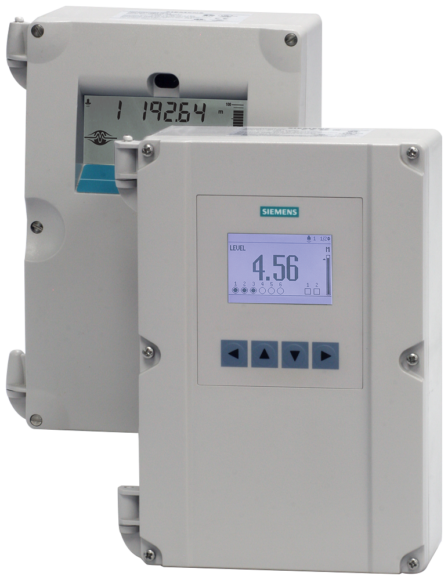
To help control the level when controlling these pumps check out the Siemens HydroRanger 200 HMI at Process Instrument Solutions