
Unlocking the Power of Remote Monitoring in Process Control
29 August 2023

In the world of industrial processes, efficiency and accuracy are paramount to success. Advancements in technology have revolutionised the way businesses operate, and one such innovation that has transformed the landscape of process control is remote monitoring.
“Remote monitoring enables businesses to supervise and manage their operations from a distance, offering a plethora of benefits that contribute to enhanced productivity, reduced downtime, and improved decision-making.”
In this blog, we will explore the potential of remote monitoring in process control and how it empowers industries to achieve greater heights of success.
What is Remote Monitoring in Process Control?
Remote monitoring in process control refers to the ability to oversee and manage industrial processes and equipment from a remote location. This is made possible through the use of advanced sensors, internet connectivity, data acquisition systems, and cloud-based platforms. The collected data is transmitted in real-time, allowing operators and engineers to access critical information on process variables, machinery performance, and environmental conditions without being physically present at the site.
The Advantages of Remote Monitoring
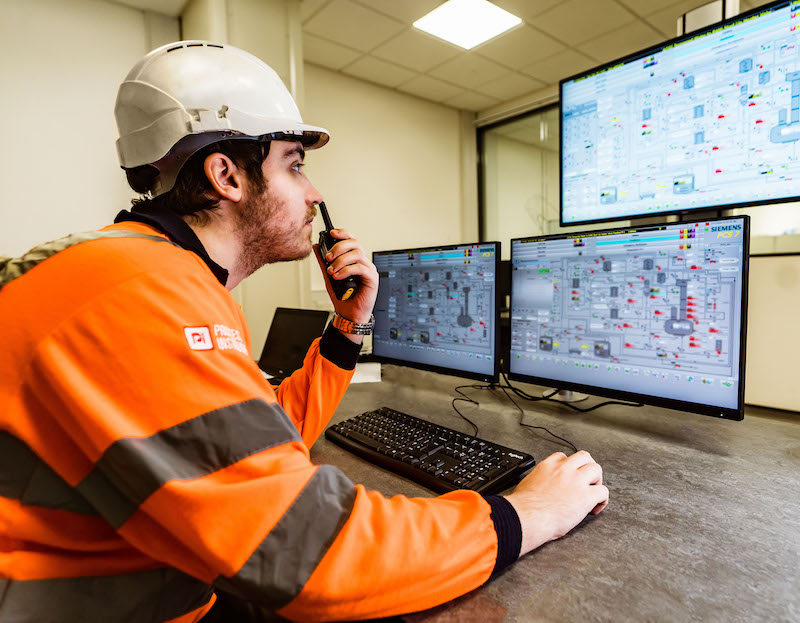
Enhanced Efficiency and Productivity: Remote monitoring streamlines the workflow by providing instant access to process data. This enables quick identification of inefficiencies, bottlenecks, or potential issues, allowing for prompt adjustments and optimisations. As a result, productivity is significantly improved, leading to cost savings and increased output.
Proactive Maintenance: With remote monitoring, businesses can implement predictive maintenance strategies. Real-time data analysis helps identify signs of equipment deterioration or failure before it happens, enabling proactive maintenance to avoid costly downtime and repairs.
Improved Safety: Hazardous industrial environments pose risks to workers. By utilising remote monitoring, workers can limit their exposure to dangerous situations as they can monitor processes from a safe location.
Real-Time Decision-Making: Access to live data and insights empowers managers and decision-makers to respond swiftly to changing conditions or unexpected events. This agility in decision-making ensures better process control and optimal resource allocation.
Cost-Effectiveness: Remote monitoring eliminates the need for constant on-site personnel, reducing labor costs. Additionally, proactive maintenance and optimized processes lead to energy savings and decreased production losses.
Implementing Remote Monitoring Systems
Choosing the Right Sensors: The foundation of a successful remote monitoring system lies in selecting the appropriate sensors to gather relevant data. Factors such as the process type, environmental conditions, and specific variables to be monitored should be considered.
Secure Data Transmission: As remote monitoring relies on data transmission over the internet, ensuring data security is crucial. Employing encryption and secure communication protocols is essential to safeguard sensitive information from unauthorized access.
Cloud-Based Platforms: Cloud-based platforms are instrumental in storing and processing the vast amounts of data collected from remote locations. These platforms offer scalability, accessibility, and data analytics capabilities that enhance the effectiveness of remote monitoring systems.
Integration with Existing Systems: To fully unlock the potential of remote monitoring, it is essential to integrate the new system with existing process control infrastructure and software. This ensures seamless data flow and provides a comprehensive view of operations.
Industries Embracing Remote Monitoring
Remote monitoring is finding applications in various industries:
Manufacturing: Ensuring smooth production lines, identifying faults in machinery, and optimising supply chain processes.
Energy: Monitoring power generation and distribution systems, enhancing efficiency in energy usage, and detecting anomalies in renewable energy installations.
Oil and Gas: Monitoring remote oil wells and pipelines, optimizing extraction processes, and enhancing safety in hazardous environments.
Agriculture: Monitoring soil conditions, irrigation systems, and crop health for optimized agricultural practices and increased yields.
Remote monitoring in process control represents a paradigm shift in the way industries manage their operations. The power of real-time data access, predictive maintenance, and remote decision-making empowers businesses to unlock new levels of efficiency, safety, and productivity. As technology continues to advance, the scope and impact of remote monitoring are only expected to expand. Embracing this transformative technology is the key to staying ahead in today’s competitive industrial landscape.